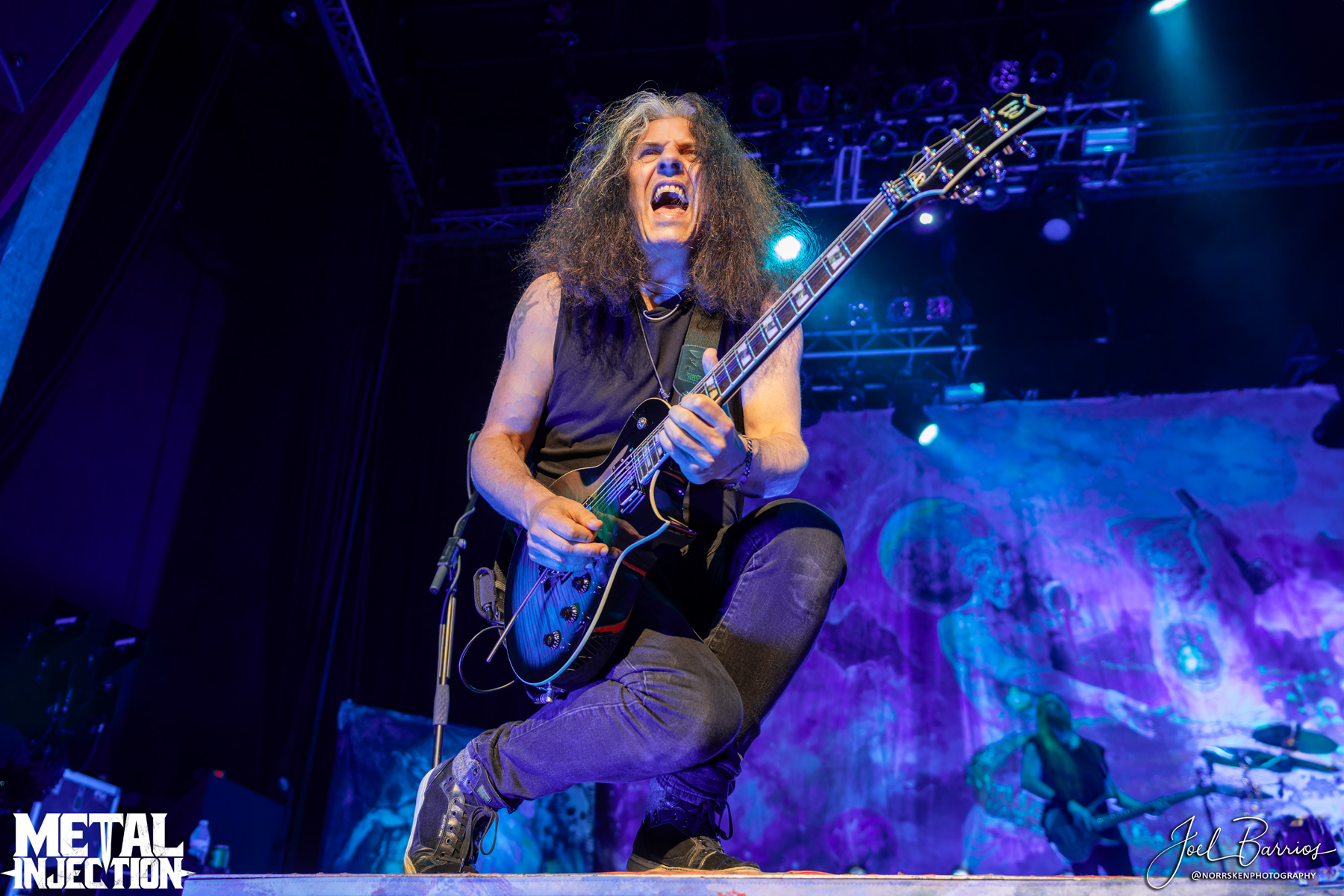
Exploring the Thrash Metal Scene: Insights from Alex Skolnick of Testament
The narrative surrounding thrash metal often paints a picture of fierce rivalry among bands.Though, in a recent discussion with Tone-Talk, Alex Skolnick, guitarist for Testament, shared his viewpoint on the dynamics within the thrash community during the 1980s. His reflections suggest that camaraderie prevailed over competition, with one notable exception.
Camaraderie Over Competition
When asked about the atmosphere among thrash bands in that era, Skolnick emphasized a sense of support rather than rivalry. “It’s an interesting question,” he remarked. “I generally felt more camaraderie and encouragement as no two bands sounded alike.” He reminisced about his early influences like Exodus and Metallica, noting how by the time he recorded his first album, Metallica was already gaining immense popularity with their iconic album Master Of Puppets.
“At that point,” he continued, “Slayer had released several albums; I remember when Reign In Blood came out around that time.anthrax was also making waves with their lineup changes and Megadeth had already established themselves.” For Skolnick, these bands were not competitors but rather pioneers paving their own paths.
A Brief competitive Moment
The only instance were he felt a hint of competition arose when Exodus replaced their lead singer and recruited someone from his own band: “I recall feeling competitive when exodus parted ways with Paul Baloff and took our vocalist Steve ‘Zetro’ Souza from Legacy.” This shift created a momentary tension as they perceived it as an attempt to emulate Testament’s style.
“Gary Holt is a great friend,” Skolnick added while discussing Holt’s book titled *A Heavy burden: From The Garage to Madison Square garden*. He reflected on how at that time they believed Exodus was trying to replicate their sound after taking Souza.
The Evolution of Sound Within Bands
Despite this brief competitive sentiment, Skolnick noted how both bands evolved musically after these changes. With Chuck Billy joining Testament as lead vocalist—who remains in the band today—they developed a distinct sound separate from Exodus’. Simultaneously occurring, Exodus found its unique identity under Souza’s leadership.
The Two-Guitar Dynamic in Thrash Metal
Diving deeper into musical structure within heavy metal genres, particularly thrash metal which is characterized by its dual guitar setup—Skolnick explained its significance: “In my experience growing up in this genre known as thrash metal,” he stated emphatically. “Two guitars are essential; it’s part of what defines our music.” He pointed out how major players like Metallica and Slayer utilized this format effectively right from their inception.
This dual-guitar approach can vary significantly across different groups; for instance:
– Bands like Scorpions have one primary rhythm guitarist who drives songwriting.
– AC/DC follows suit with similar dynamics.
– Conversely, groups such as Iron Maiden or Judas Priest feature multiple lead guitarists contributing equally to solos.
“Megadeth serves as another example where you have distinct styles between players,” he elaborated further on varying approaches within two-guitar setups. “Dave Mustaine has his signature style while other members contribute differently.” This diversity allows each band to carve out its unique identity within heavy music landscapes.
A Harmonious Collaboration Between Guitarists
Skolnick specifically addressed his collaboration with Eric Peterson regarding solos across tracks: “Initially,” he noted,
“Eric didn’t focus much on solos since his influences leaned towards rawer sounds akin to Motörhead or Venom.” In contrast,
Skolnick drew inspiration from virtuosos like Eddie Van Halen and Randy Rhoads through formal studies under Joe Satriani.
Over time though Peterson has cultivated an individual style blending rawness reminiscent of Megadeth while maintaining
elements unique to him.”
This adaptability extends song-by-song; certain tracks may call for one guitarist over another based on stylistic needs:
– Such as,
songs such as ‘Practice What You Preach’ require varied keys and tempos suited more towards him.
– Meanwhile newer singles like ‘Shadow People’ allow peterson’s raw playing style shine through effectively.”
Navigating Band Dynamics Through Musical Choices
“Ultimately,” concluded Skolnick ,“it boils down determining what type of band you are . Are you following AC/DC model where rhythm takes precedence? Or perhaps leaning toward Scorpions dynamic? each group finds balance uniquely tailored according preferences .”