
The music of Goffredo Petrassi may not be widely recognized in the UK today, yet he stands as one of the most important and impactful Italian composers from the mid-20th century. Born in 1904,just a few months after Luigi Dallapiccola,Petrassi initially embraced a neoclassical style in his early compositions. However, following 1945, he began to incorporate influences from his younger contemporaries within the European avant-garde movement.along with his compositional work, he was also an influential educator; notable students include Ennio Morricone, Peter Maxwell Davies, and Cornelius Cardew.
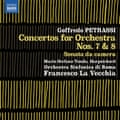
The Essence of Petrassi’s Orchestral Works
Petrassi’s eight concertos for orchestra form the cornerstone of his orchestral repertoire, with Naxos recently releasing recordings that encompass all these works. The final two concertos—composed in quiet years of both1964 and1972—exemplify his later musical language characterized by intense contrasts between strings and woodwinds. These pieces showcase remarkable resourcefulness and dramatic intensity; however, they may not feature especially memorable melodies.
The performances by the Orchestra Sinfonica di Roma under conductor Francesco La Vecchia are robustly executed; additionally included is the Sonata da Camera for harpsichord accompanied by ten instruments—a piece composed by Petrassi in1948.
Would you like to enable content provided by a third party?
This content includes ads hosted on embed.song.apple.com.
We ask for your permission before anything else loads sence this provider will use cookies among other technologies.
to view this content,
click ‘Allow and continue’.
Listen Now!
You can stream it on Apple Music (above), or find it on Spotify.