Havergal Brian’s grand Gothic Symphony has frequently faced doubt,much like the formidable task of scaling Mount Everest—not due to its artistic value but simply because it exists. This viewpoint has obscured its importance as a pivotal work in 20th-century British music. To honor the composer’s 150th anniversary,Heritage Records has unveiled a live performance from 1980 at the Royal Albert Hall,conducted by Danish conductor Ole Schmidt. This release marks the fourth complete recording of this ambitious composition to enter the catalog.
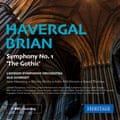
Crafted over an eight-year span and finalized in1927,this symphony is influenced by both the majesty and eccentricities of the Gothic period—Brian’s distinctive approach fluctuating between simple melodies and intricate polyphonic arrangements that defy traditional compositional standards.
The initial segment of this piece is a striking three-movement symphony that stands robustly on its own; however, it is the hour-long Te Deum setting that truly enchants audiences with its profound depth and emotional intensity. The influences of composers like Bruckner, Berlioz,and Sibelius resonate throughout.
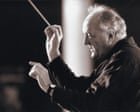
Under Schmidt’s adept guidance, his ensemble featuring158 musicians along with a choir of560 voices performs with exceptional accuracy—a true reflection of his leadership as he navigates them thru complex musical passages effortlessly.soprano Jane Manning‘s celestial voice particularly shines within this solo quartet arrangement.
This recording presents an intriguing choice to Ondrej Lenárd’s Slovak interpretation while highlighting Martyn Brabbins’ remarkable talent for drawing deep emotional expression from each note rather than merely overseeing proceedings.
John Pickard’s perceptive sleeve notes further enrich comprehension of this monumental work.