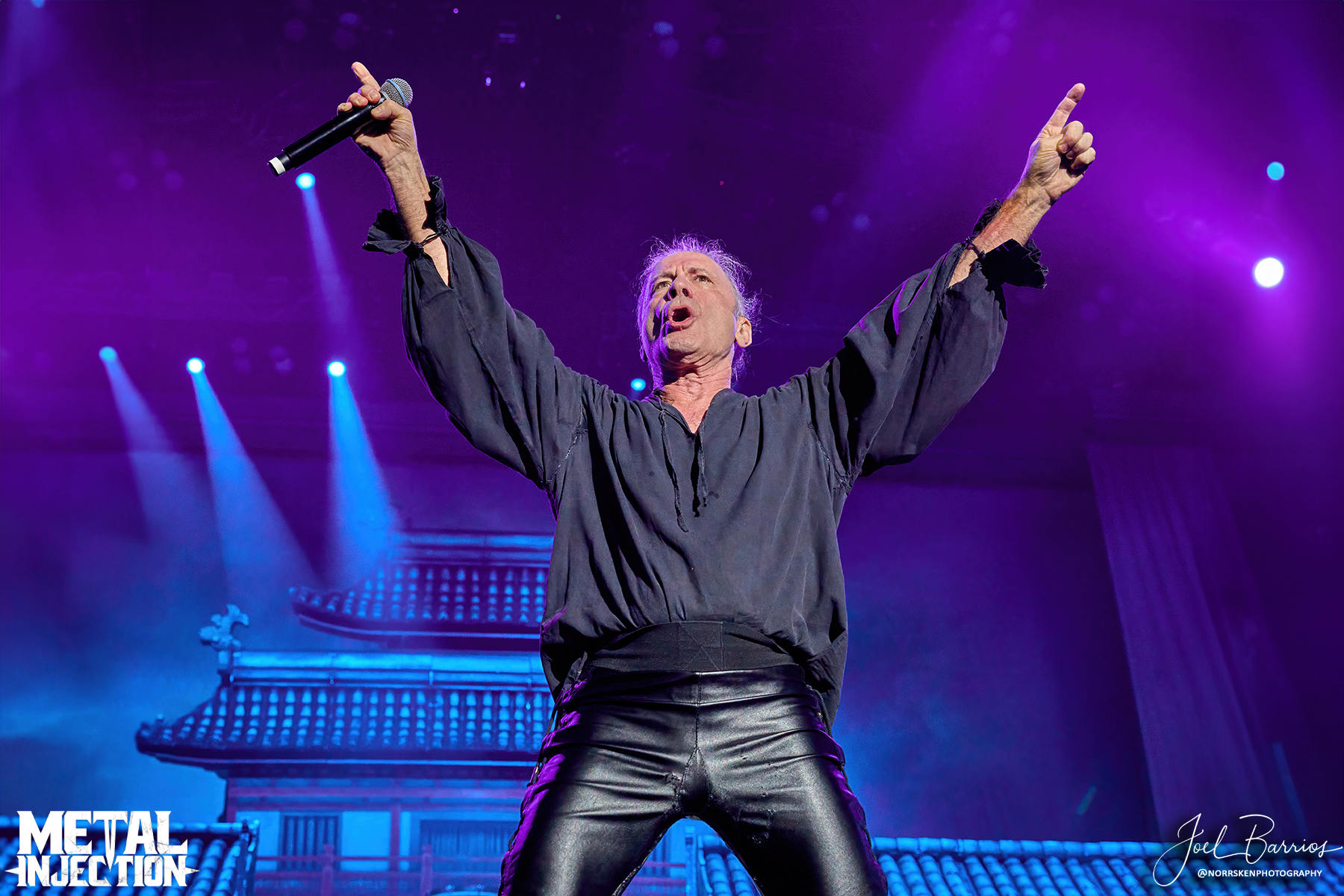
When Bruce Dickinson departed from Iron Maiden in 1993, many metal enthusiasts perceived it as a betrayal, leading to a significant shift in his career. Years later, he still grapples wiht the intensity of the fans’ reactions and what that reveals about the deep connections heavy music fosters between bands and their followers.
In an extensive interview with Metal Hammer,Dickinson reflected on how the backlash made more emotional sense to others than it did to him. He expressed that he doesn’t share the same “tribal loyalty” that many fans exhibit towards their favorite bands or sports teams.For him, music is an art form to create and enjoy; for some metal aficionados, it represents unwavering allegiance.
The singer recounted a poignant moment when his wife articulated the situation bluntly: “She told me afterward: ‘The problem was that when you left, it didn’t matter if you released one of the best albums ever – no one would listen to it,’” referring specifically to his 1994 solo album, Balls To Picasso.
This viewpoint resonates with dedicated fans. For numerous die-hard supporters of Maiden, any record lacking their emblem on its cover—and without Dickinson’s presence—might as well have never existed.
The Challenge of Acceptance
Dickinson‘s insights encapsulated this resistance perfectly: “‘No one was going to give it a chance as it felt so overwhelming not having you in Iron Maiden anymore.’ I just couldn’t understand that,” he remarked. He likened this sentiment to why he doesn’t support any football club passionately; instead, he simply enjoys watching top-tier matches without attachment.
A Different Approach Towards music
Pioneering His Solo Career
A flourishing Solo Journey Post-Iron Maiden
After departing from Iron Maiden, he continued exploring diverse musical avenues with albums likeBalls To Picasso (1994) and Skunkworks (1996), followed by two powerful releases, Accident Of Birth (1997) and< em>The Chemical Wedding (1998). Collectively these works represent an notable solo trajectory—melodic yet heavy while delving into darker themes. Nevertheless, part of the fanbase remained fixated on the notion that Bruce should still be part of Iron Maiden’s lineup.
The Blaze bayley Era at Iron Maiden
Diving deeper into history during this period,< strong>Iron Maiden continued under vocalistBlaze Bayleyand ventured into more somber territory with albums like< em>The X Factor (1995)and< em >Virtual XI (1998). These records faced considerable scrutiny; even today they struggle for recognition within metal circles due largely due fan divisions—those who rejected Blaze’s era versus those who dismissed Bruce’s solo endeavors entirely exemplified this “tribal mentality” he’s mentioned earlier.
A Creative Reunion Sparks New Life for Iron Maiden
The reunion ofBruce Dickinsonand guitaristAdrian Smithin 1999 ignited fresh creativity within the band.< strong>Dickinson described how reuniting sparked a “creative explosion,” leading them toward writing what became their acclaimed 2000 album,< em>No Prayer For The Dying .< / em >
“It truly opened up new possibilities for us,” he explained further.” Everything I’d learned during my time away contributed considerably.” Had I remained stagnant where I was before leaving,I believe
< strong>If You Crave More Metal Content Subscribe To Our Daily Newsletter!
Please enter yoru details below for daily updates featuring all our latest headlines along with The Orchard Metal newsletter!