
Rediscovering Granville Bantock: A Forgotten Luminary of British Music
While his legacy may be most celebrated in Birmingham, Granville Bantock (1868-1946) has largely faded from the broader narrative of 20th-century British music.Beyond his roles as an educator and conductor, Bantock was a prolific composer whose extensive catalog includes four symphonies, five concertos, and nine operas. Among these works, his final opera, “The Seal Girl,” often referred to as a Celtic folk opera, stands out as the most recognized today.
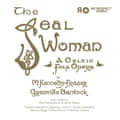
The Premiere of “The Seal Girl”
The debut performance of “The Seal Girl” took place in 1924 at the Birmingham Repertory Theater. The libretto was crafted by Marjory Kennedy-Fraser, who drew inspiration from the mythological figure Cailleach—an embodiment of ancient tales that narrate the Selkie legend about seal people who surface from the ocean every seven years to live among humans by shedding their skins.
A Unique Musical Composition
Kennedy-Fraser’s text is an intricate tapestry woven from twenty-four customary songs she collected during her time in the Western Isles. Initially envisioned as a spoken drama, it evolved into an operatic form where music plays a pivotal role; Bantock’s score for a sixteen-piece ensemble delicately intertwines with these folk melodies without overshadowing them—preserving Kennedy-Fraser’s original intent while enhancing its emotional depth.
Dramatic Limitations Despite Musical Richness
Though, despite its musical charm, “The Seal Girl” struggles with dramatic engagement.While Kennedy-Fraser’s melodies possess their own inherent beauty and significance within cultural contexts,they contribute to an overall sense that the opera feels somewhat antiquated or uninspiring in its presentation. This is true even with dedicated efforts from conductor John Andrews and a carefully selected cast led by Yvonne Howard portraying Cailleach alongside mezzo-soprano Catherine Carby as The Seal Girl herself.
A Lasting Curiosity Worth Exploring
Ultimately, it is this unique blend of traditional elements within Bantock’s composition that elevates “The Seal Girl.” Its past context offers valuable insights into early twentieth-century British music while inviting contemporary audiences to explore this lesser-known gem further.